BACK

task-gdpval-1

Prompt

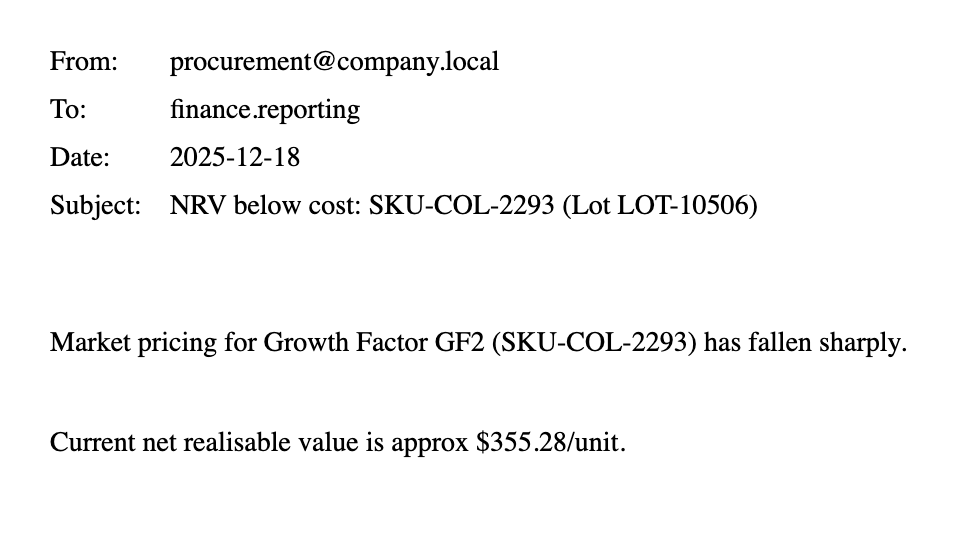
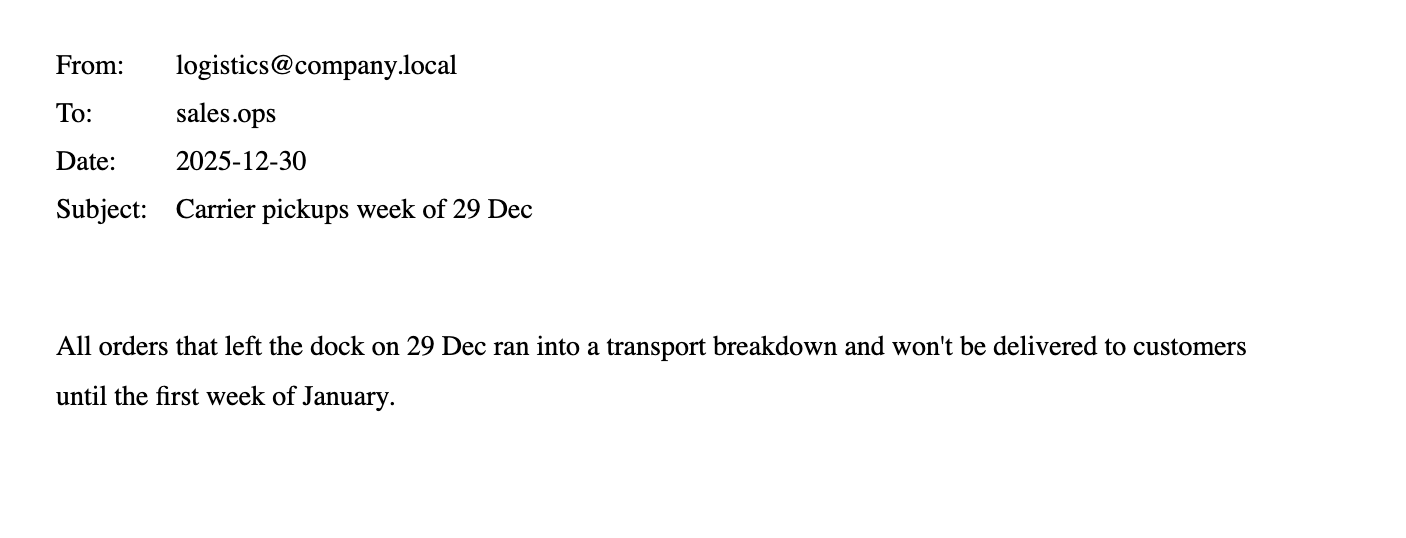
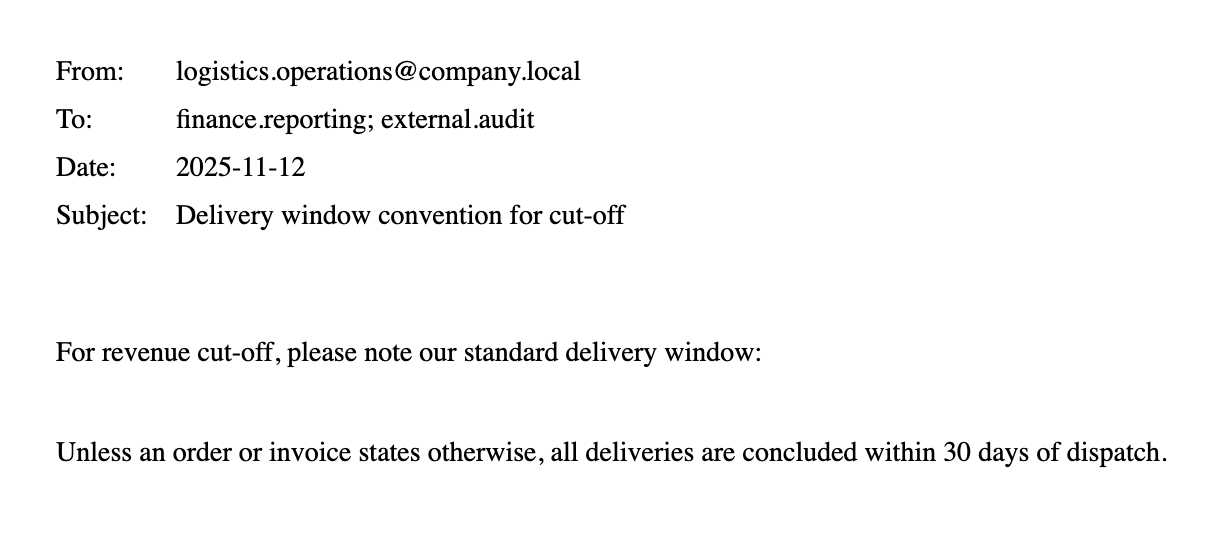
We have been hired by Meridian Health to close their books for Q4 2025. The customer had a chaotic quarter where they merged systems through an acquisition. They have hired external auditors (us) to finalize their bookkeeping and evaluate their control processes. The shareholders are looking for following headline numbers Revenue recorded in Q4 2025. Portion of revenue deferred to Q1 2026. Value of inventory they hold as of December 31, 2025. They have shared with you a folder of documents that you must consider while providing your insights. Additionally, given the changes they faced because of the merger, they have asked us to evaluate the controls that are in place. Can you prepare a partner-ready deck (5 core slides, excluding cover and appendix) with above insights that I can present to our team. Also, prepare a consolidated excel with all workings that I can reference for deep dive as required. Can you provide key reconciliations and calculations you made (and pitfalls you avoided) in arriving at the requested headline numbers.

Reference Files (37)

Download all (.zip)
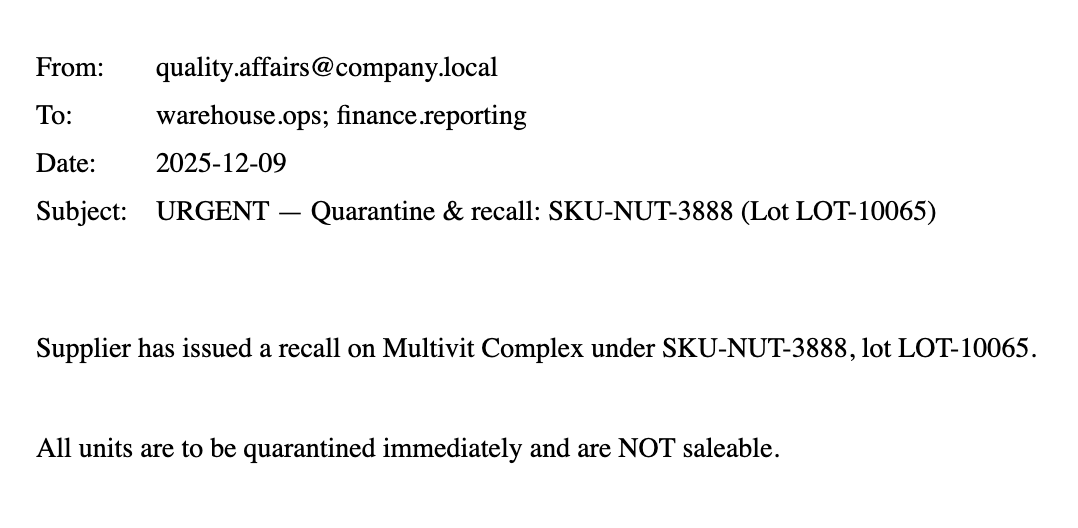
Email 1.png

expert_contributedAuthor-generated; mirrors an internal email/correspondence thread used as judgmental audit evidence.
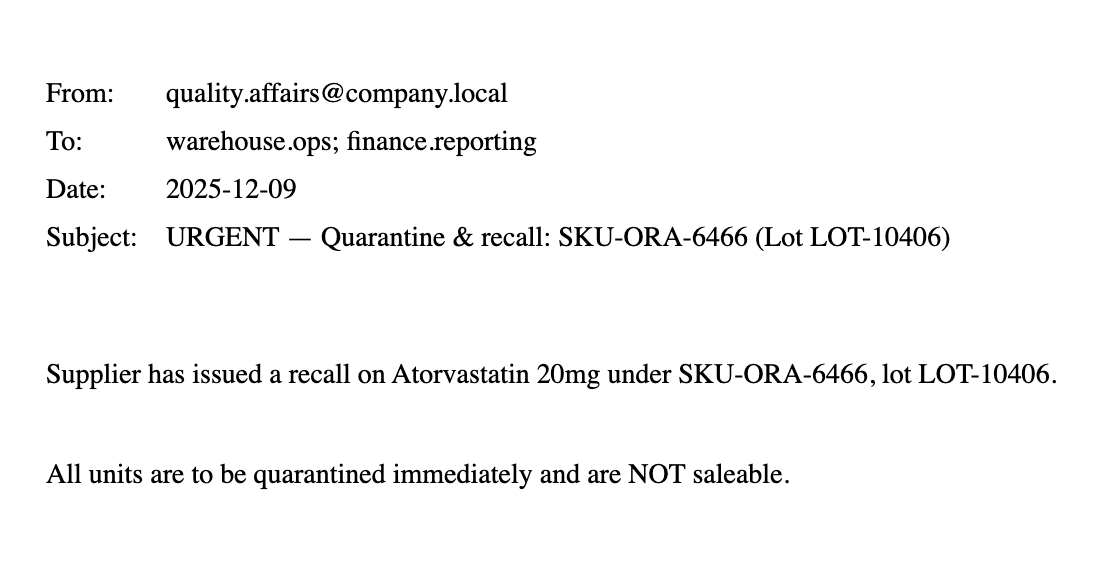
Email 2.png

expert_contributedAuthor-generated; mirrors an internal email/correspondence thread used as judgmental audit evidence.
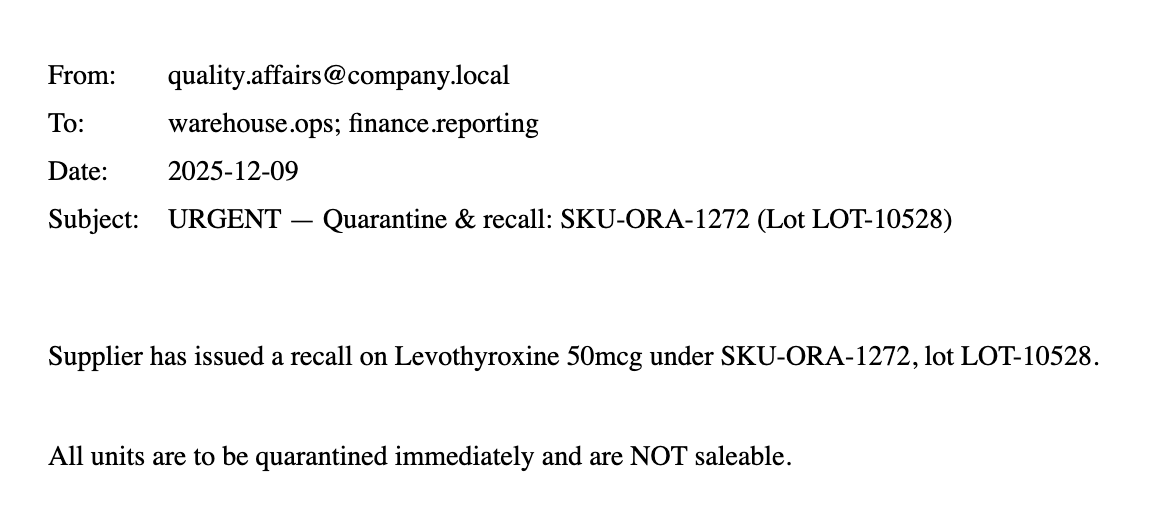
Email 3.png

expert_contributedAuthor-generated; mirrors an internal email/correspondence thread used as judgmental audit evidence.
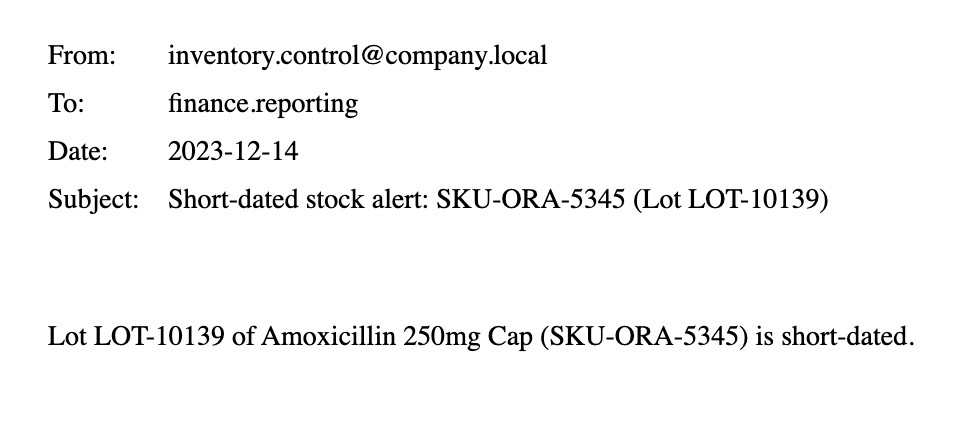
Email 4.png

expert_contributedAuthor-generated; mirrors an internal email/correspondence thread used as judgmental audit evidence.
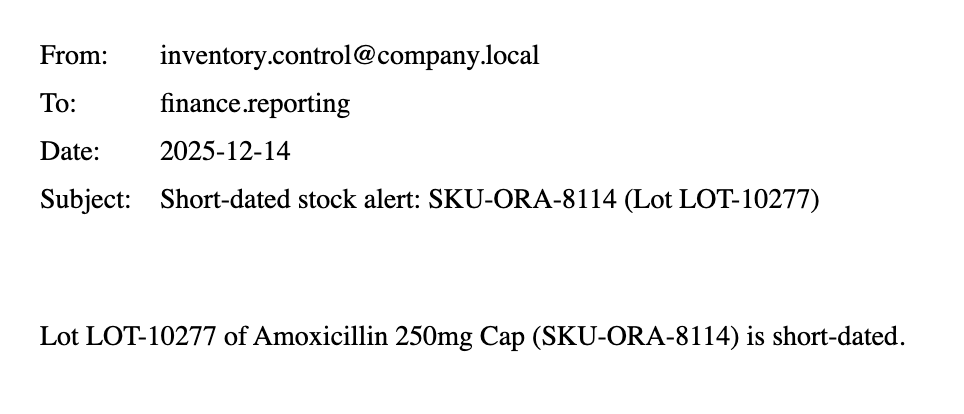
Email 5.png

expert_contributedAuthor-generated; mirrors an internal email/correspondence thread used as judgmental audit evidence.
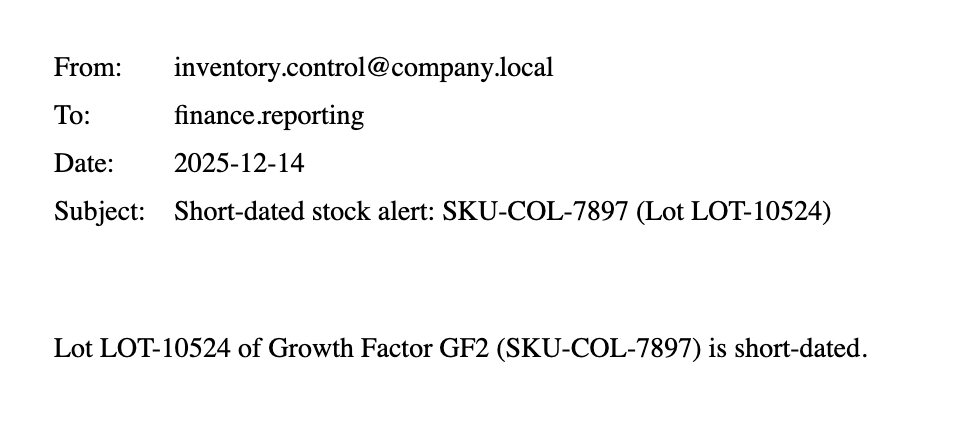
Email 6.png

expert_contributedAuthor-generated; mirrors an internal email/correspondence thread used as judgmental audit evidence.
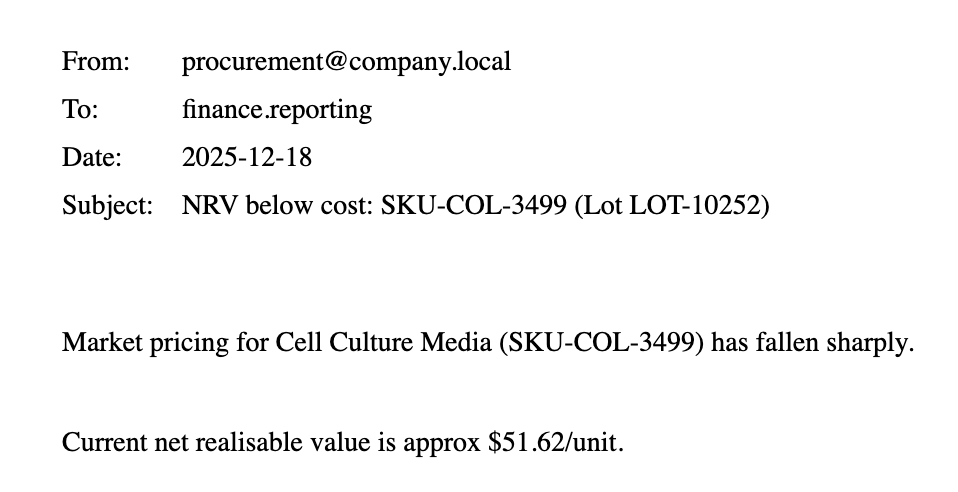
Email 7.png

expert_contributedAuthor-generated; mirrors an internal email/correspondence thread used as judgmental audit evidence.
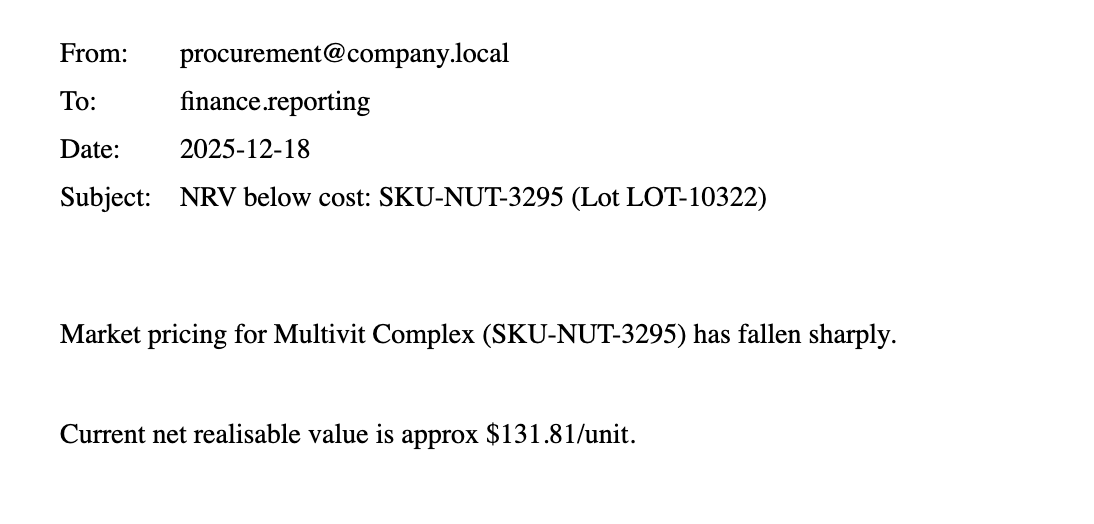
Email 8.png

expert_contributedAuthor-generated; mirrors an internal email/correspondence thread used as judgmental audit evidence.
Email 9.png

expert_contributedAuthor-generated; mirrors an internal email/correspondence thread used as judgmental audit evidence.
Email 10.png

expert_contributedAuthor-generated; mirrors an internal email/correspondence thread used as judgmental audit evidence.
Email 11.png

expert_contributedAuthor-generated; mirrors an internal email/correspondence thread used as judgmental audit evidence.
Email 12.png

expert_contributedAuthor-generated; mirrors an internal email/correspondence thread used as judgmental audit evidence.
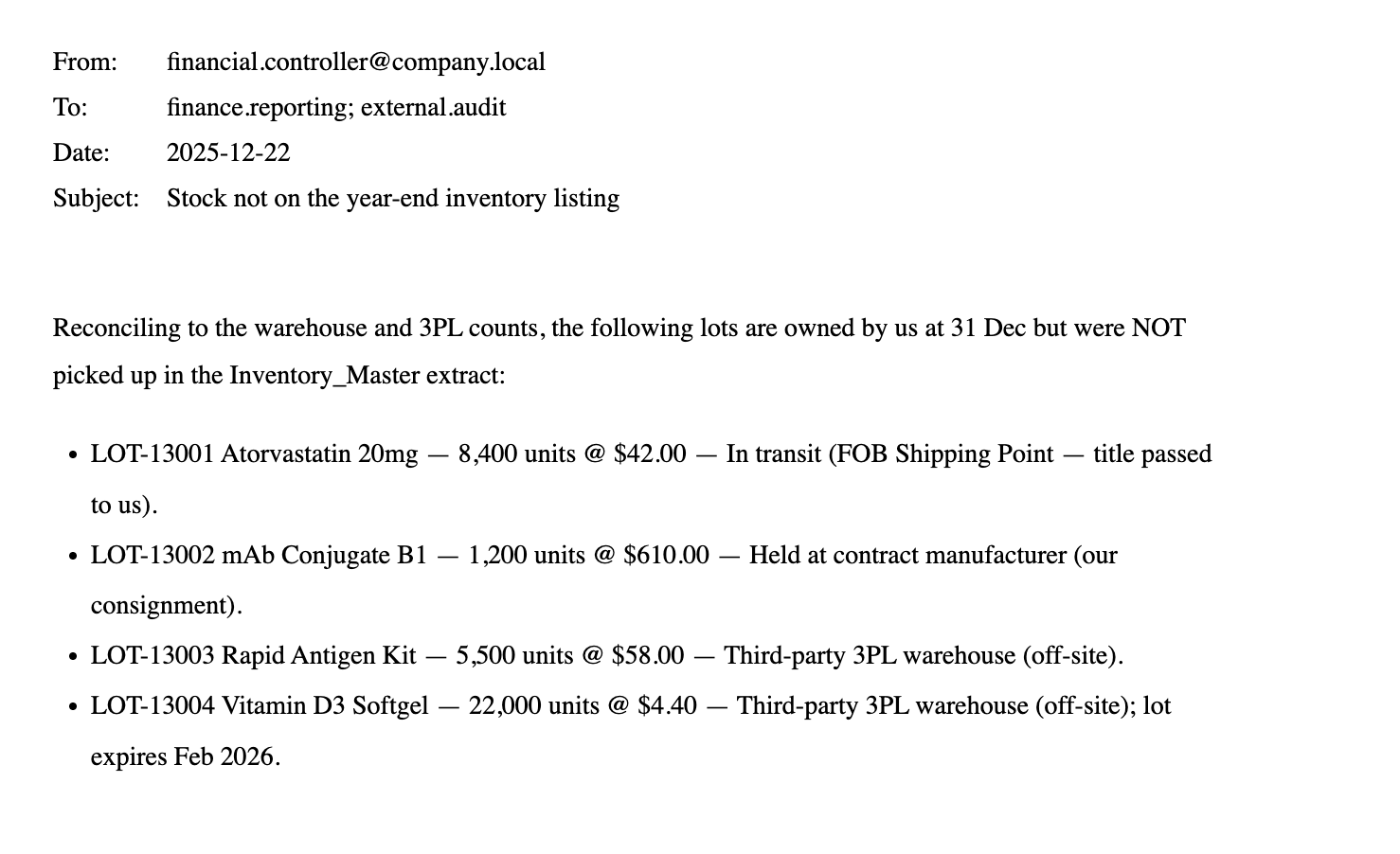
Email 13.png

expert_contributedAuthor-generated; mirrors an internal email/correspondence thread used as judgmental audit evidence.
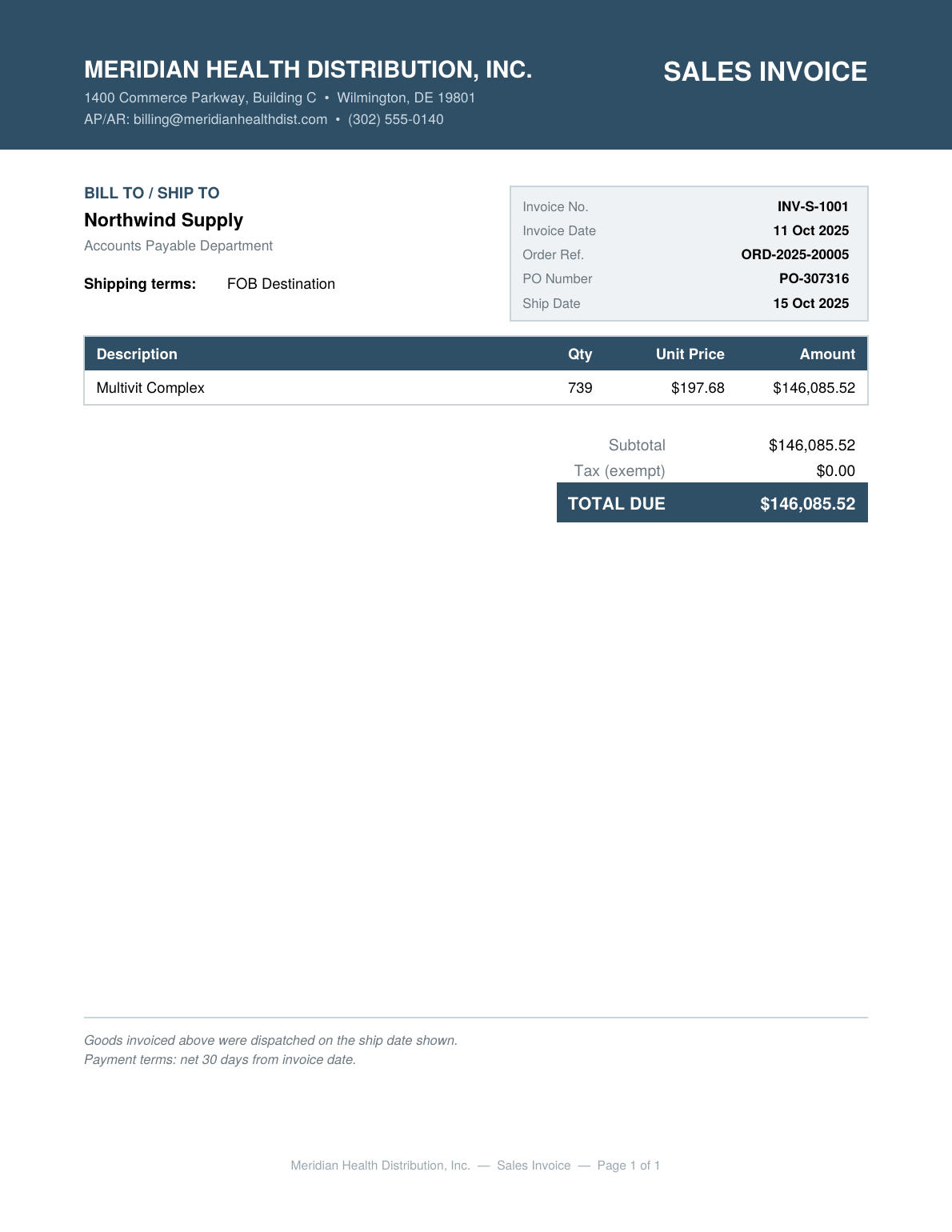
INV-S-1001.png

expert_contributedAuthor-generated; mirrors a vendor/sales invoice document image.
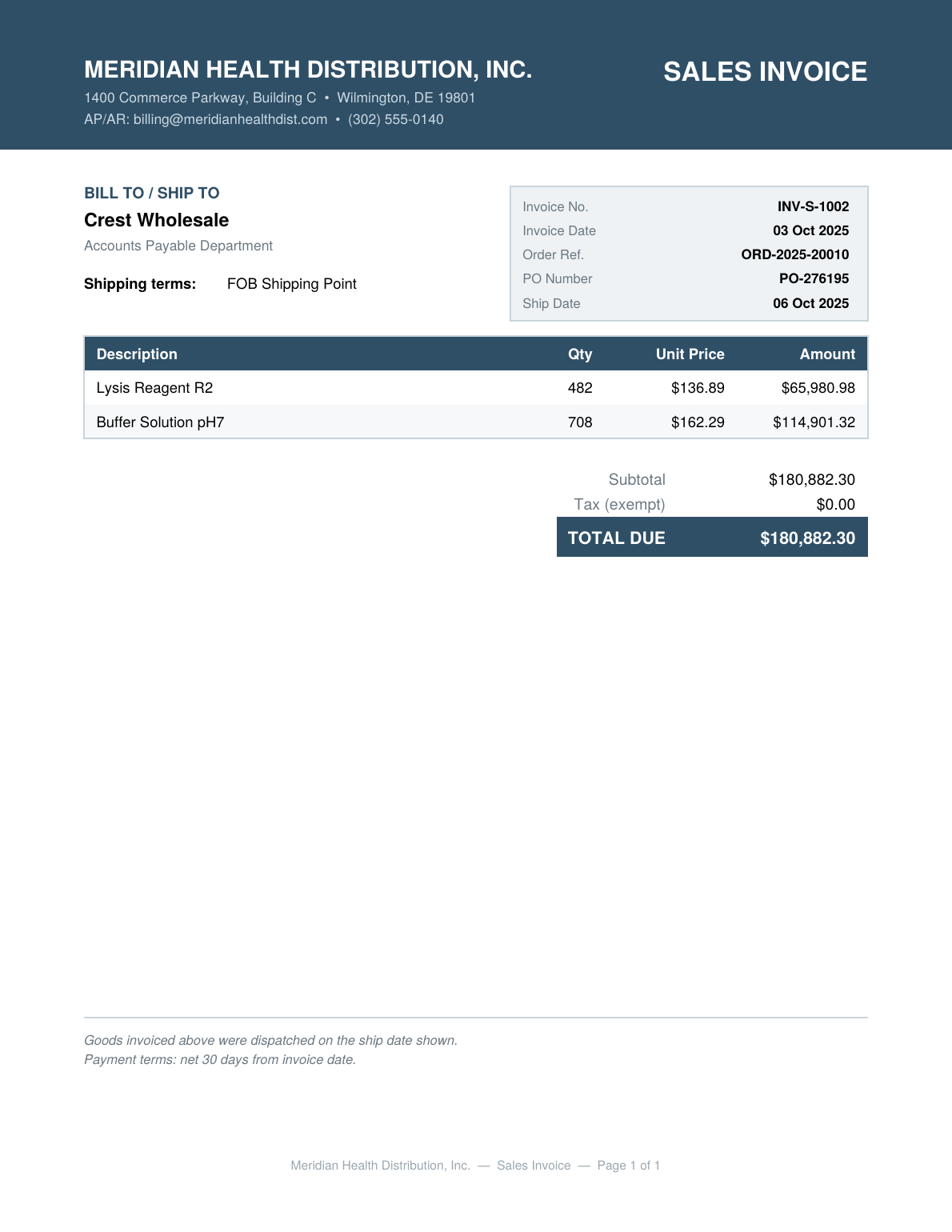
INV-S-1002.png

expert_contributedAuthor-generated; mirrors a vendor/sales invoice document image.
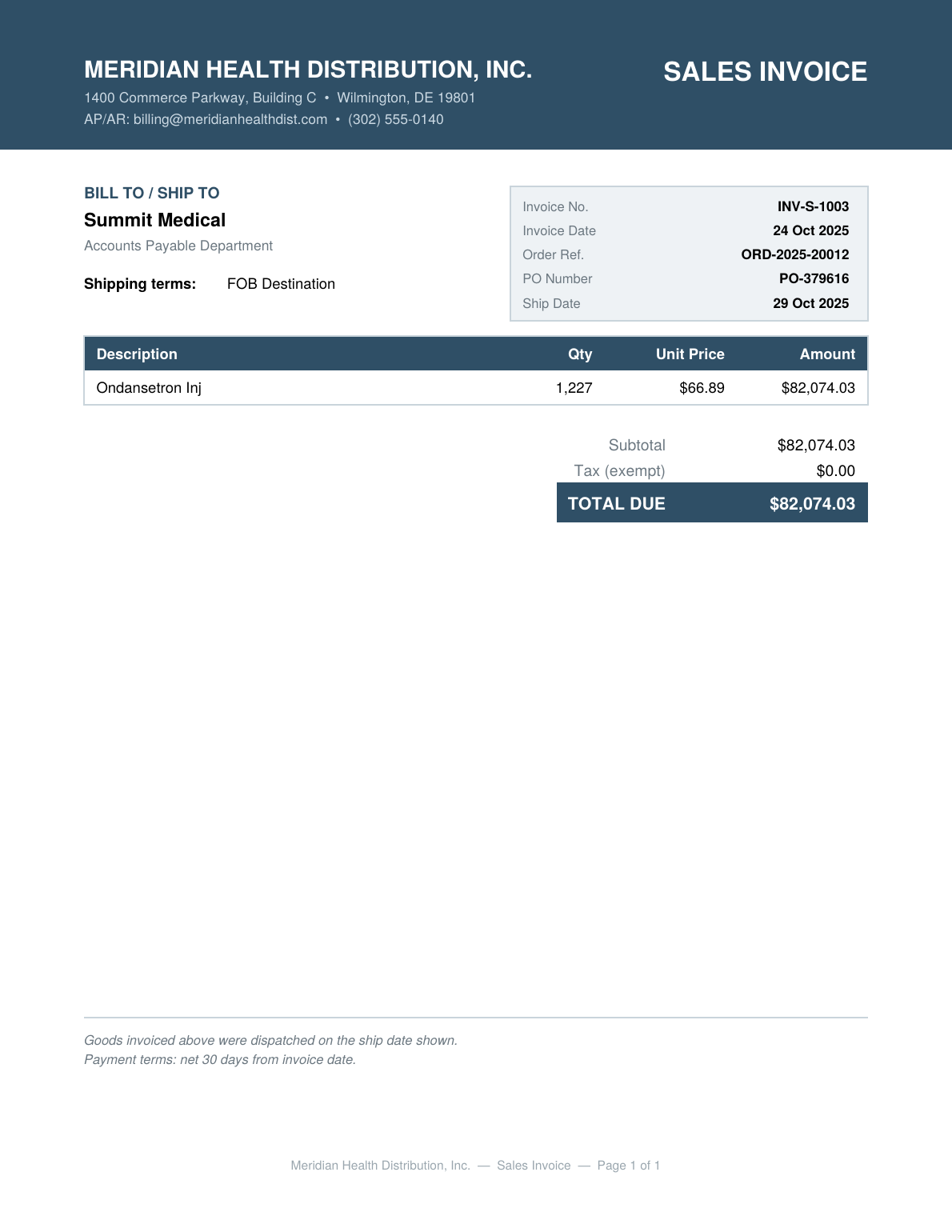
INV-S-1003.png

expert_contributedAuthor-generated; mirrors a vendor/sales invoice document image.
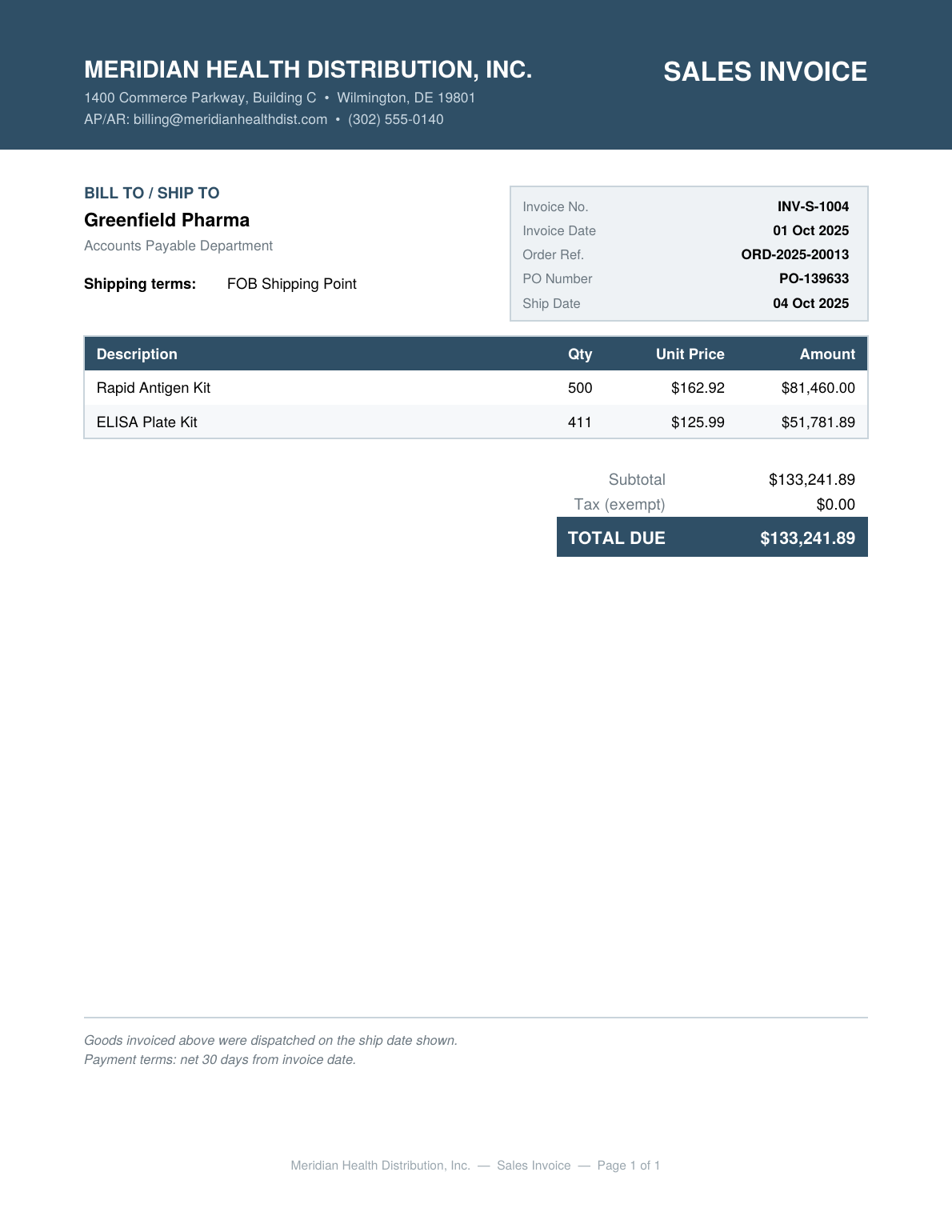
INV-S-1004.png

expert_contributedAuthor-generated; mirrors a vendor/sales invoice document image.
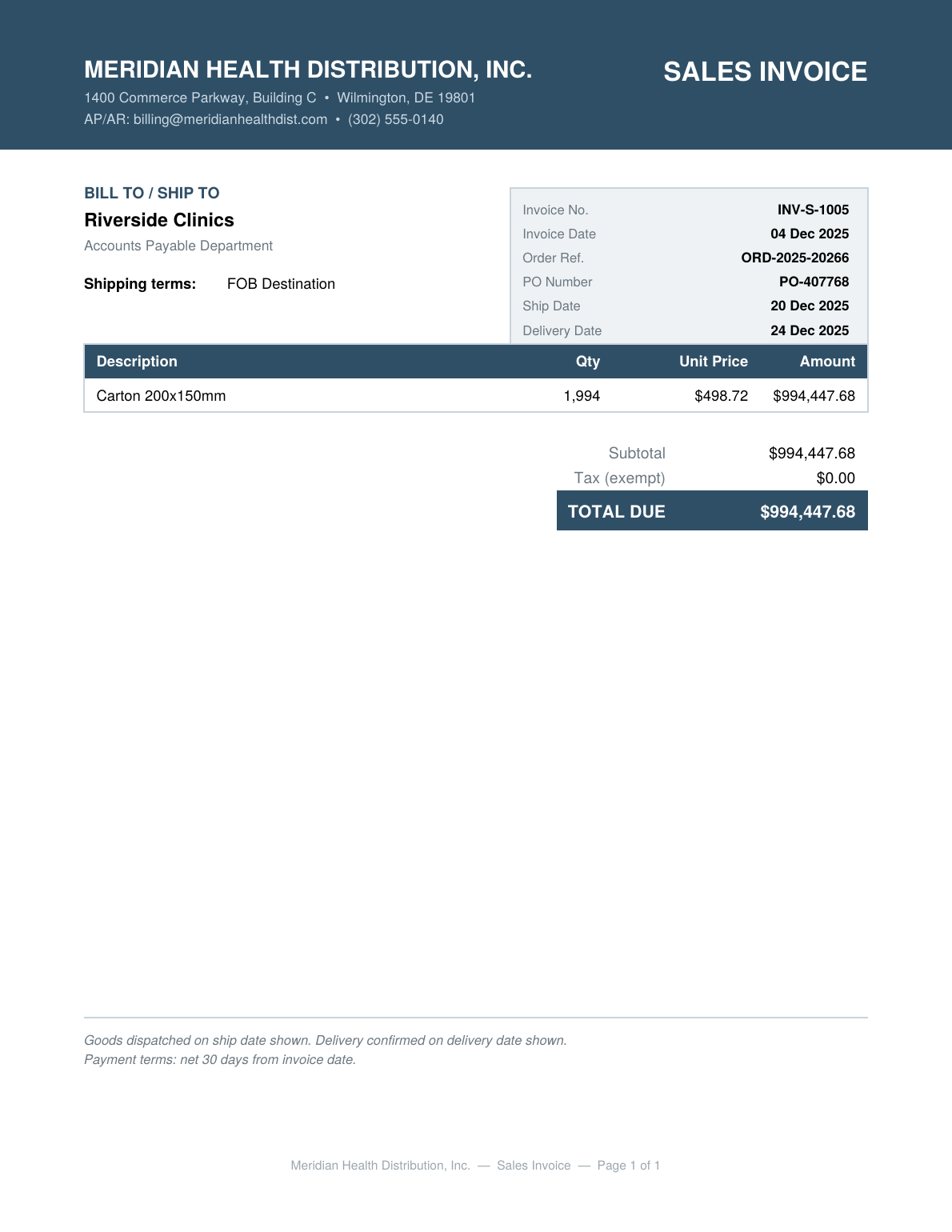
INV-S-1005.png

expert_contributedAuthor-generated; mirrors a vendor/sales invoice document image.
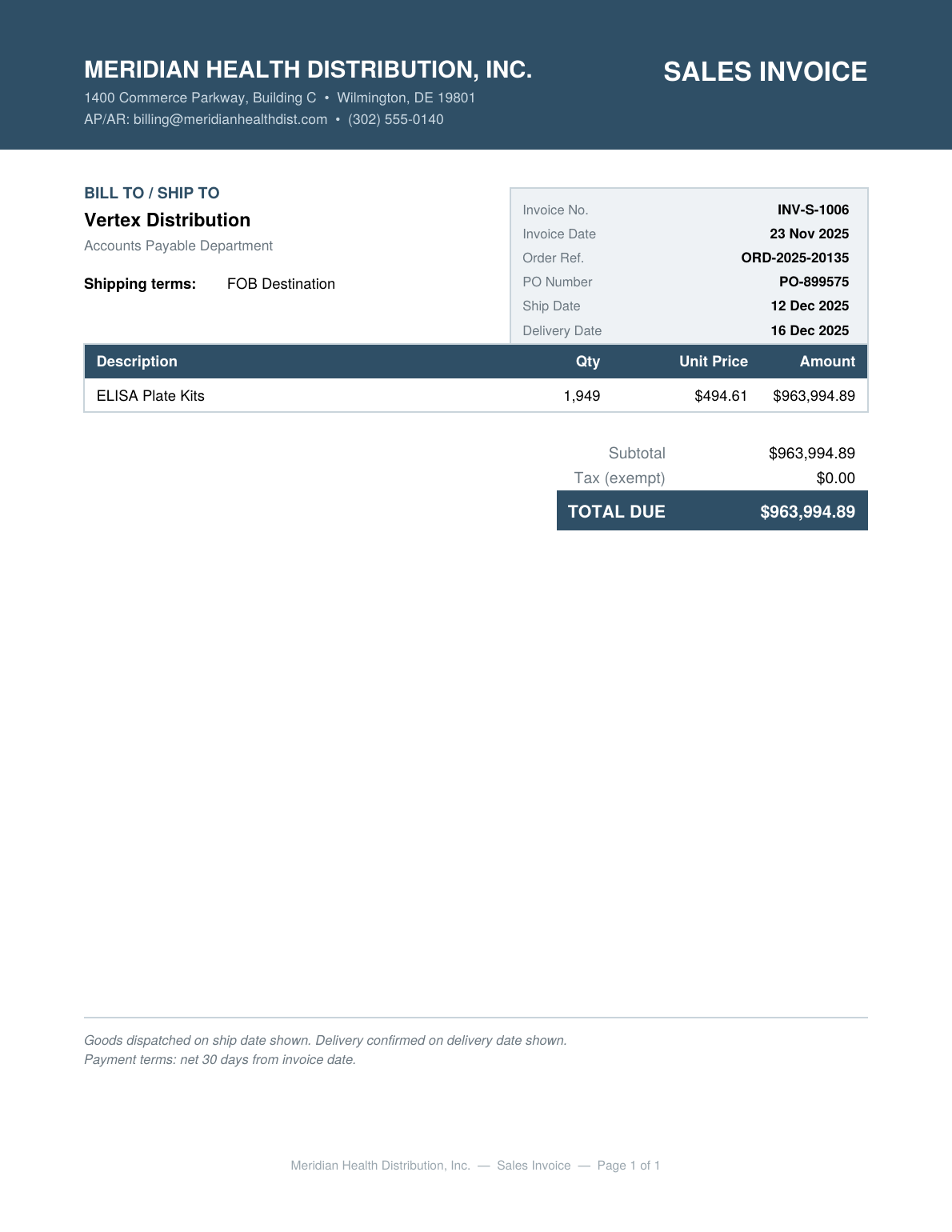
INV-S-1006.png

expert_contributedAuthor-generated; mirrors a vendor/sales invoice document image.
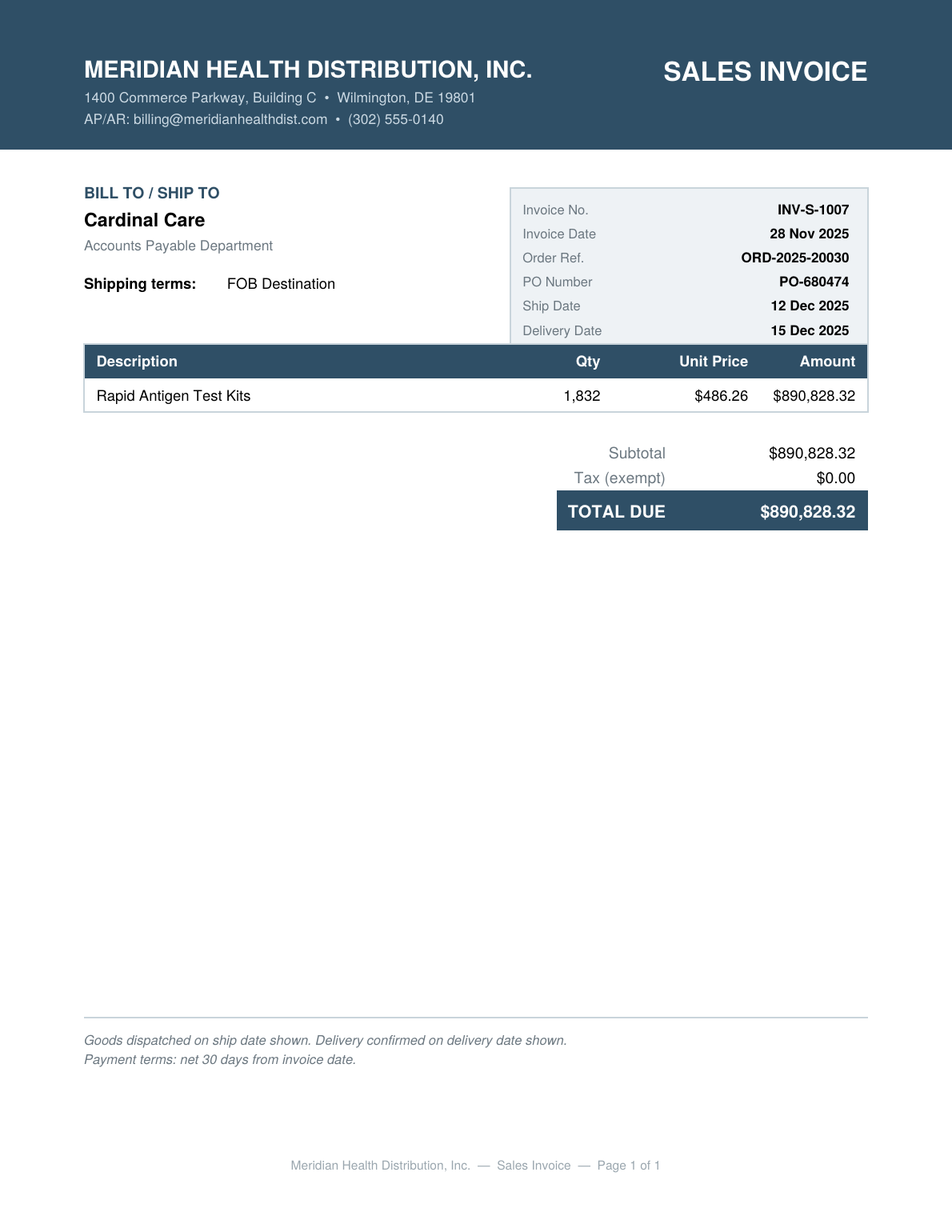
INV-S-1007.png

expert_contributedAuthor-generated; mirrors a vendor/sales invoice document image.
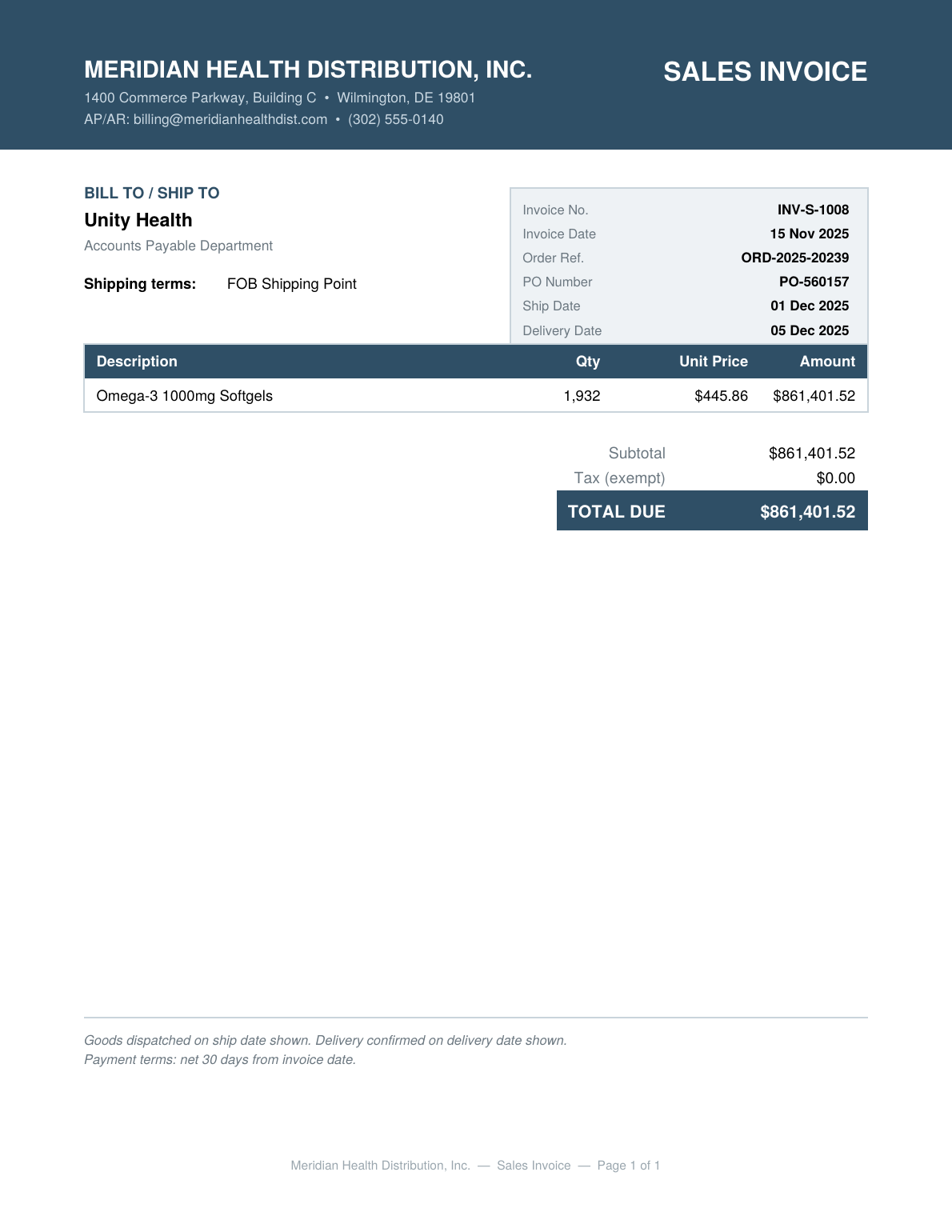
INV-S-1008.png

expert_contributedAuthor-generated; mirrors a vendor/sales invoice document image.
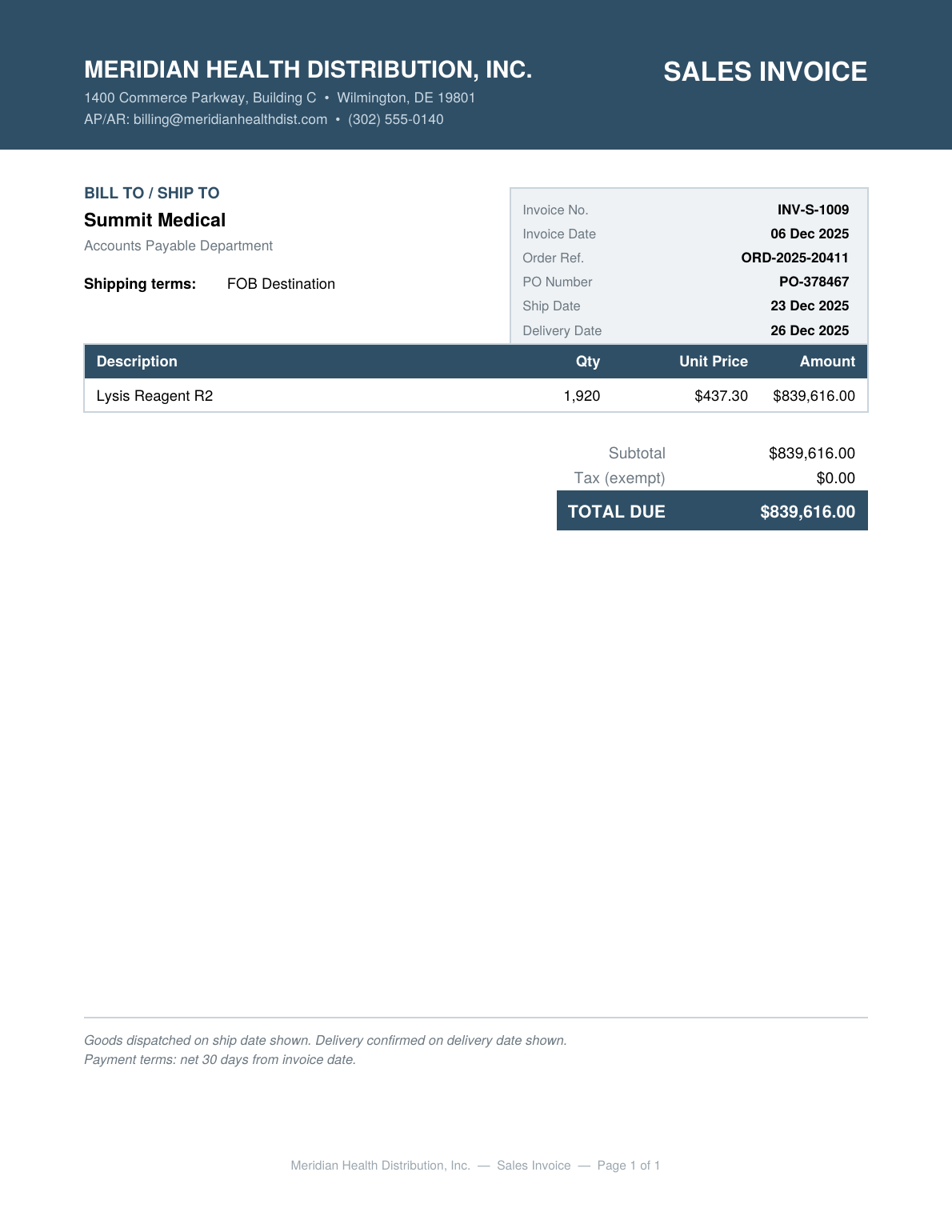
INV-S-1009.png

expert_contributedAuthor-generated; mirrors a vendor/sales invoice document image.
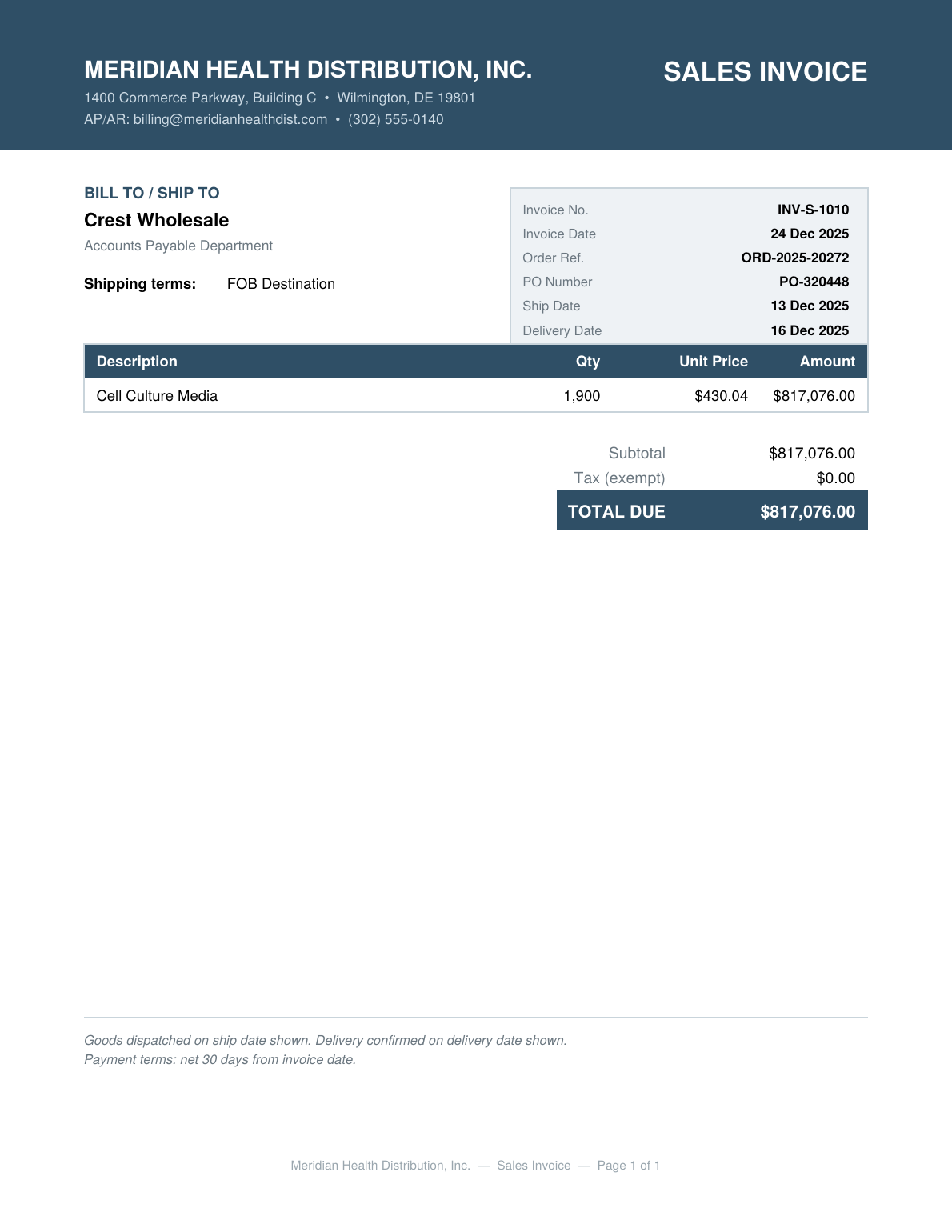
INV-S-1010.png

expert_contributedAuthor-generated; mirrors a vendor/sales invoice document image.
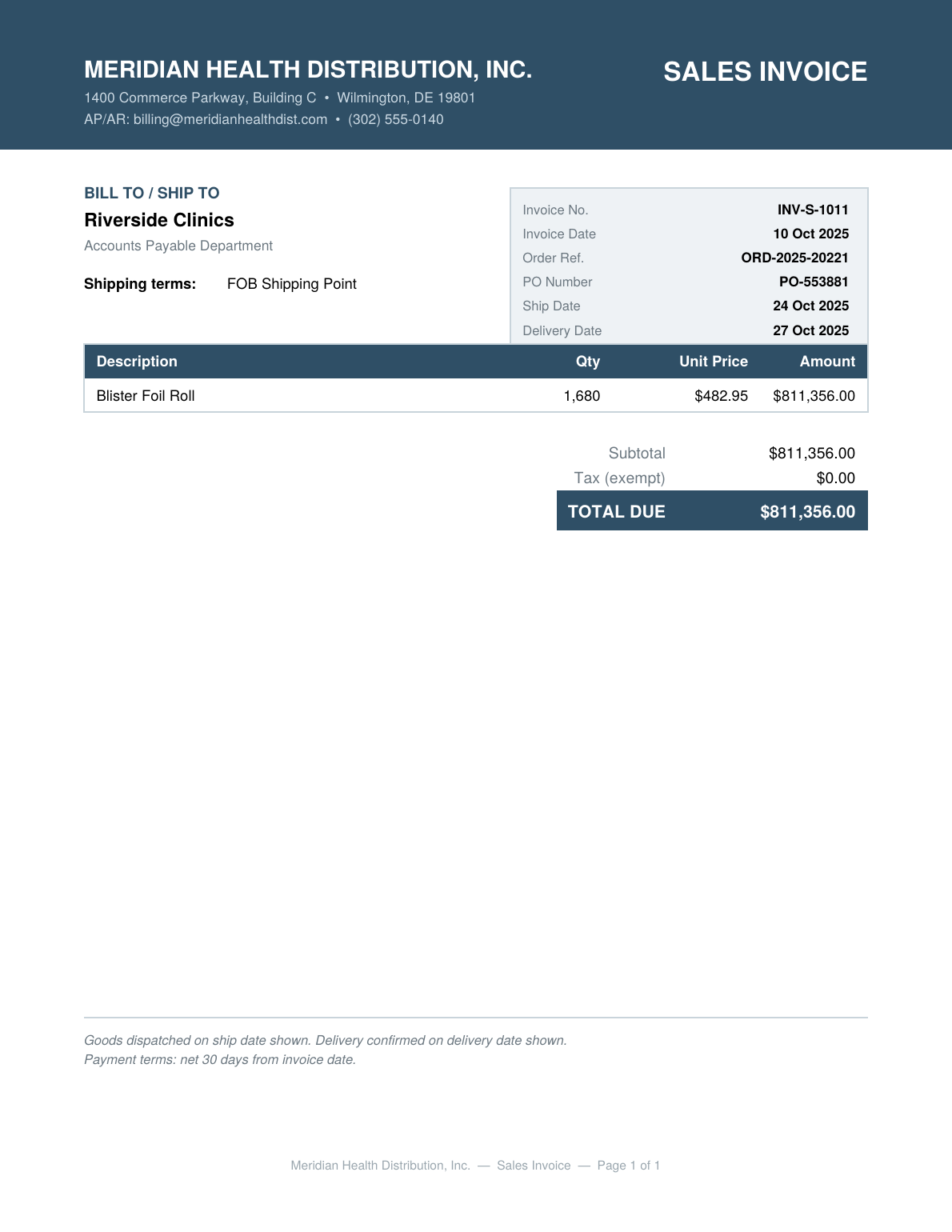
INV-S-1011.png

expert_contributedAuthor-generated; mirrors a vendor/sales invoice document image.
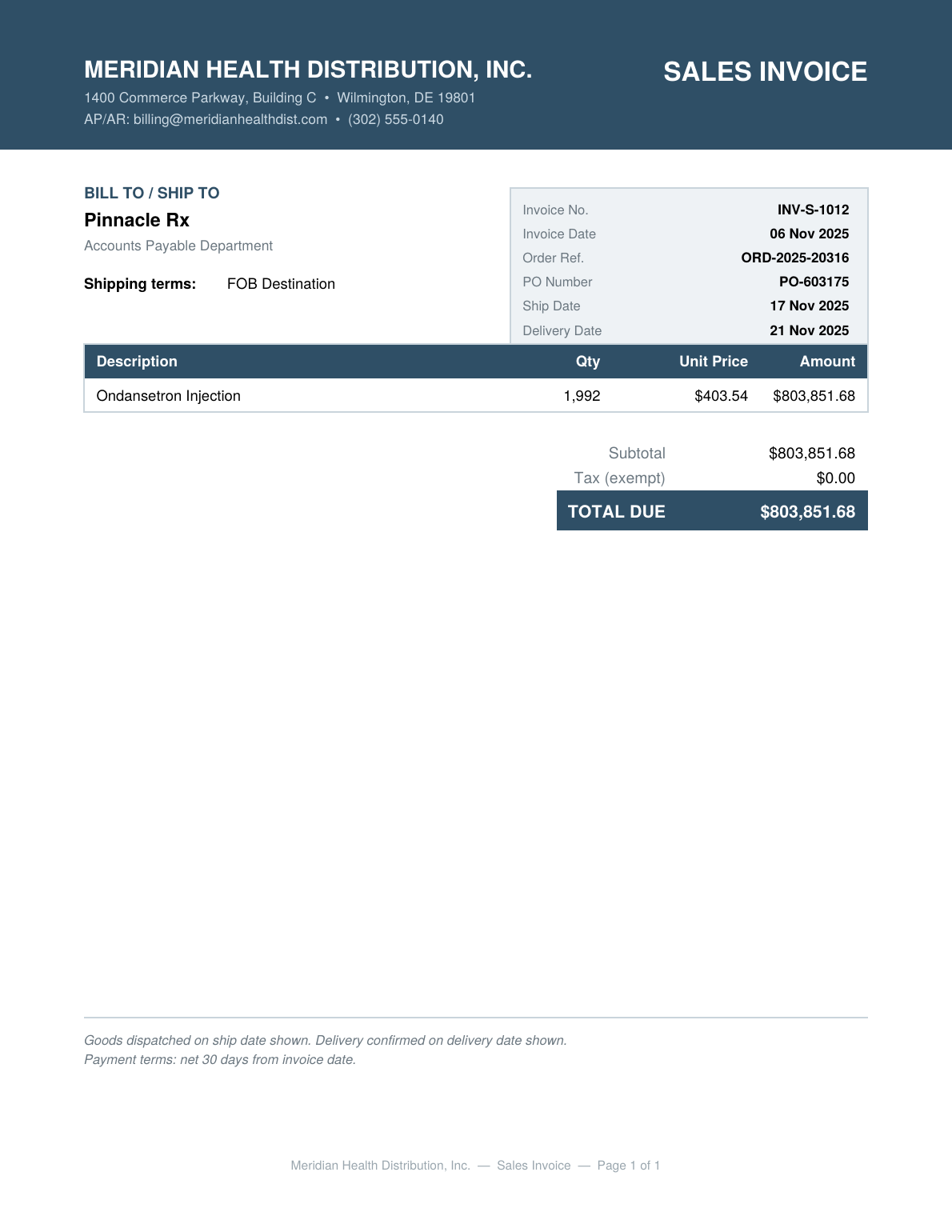
INV-S-1012.png

expert_contributedAuthor-generated; mirrors a vendor/sales invoice document image.
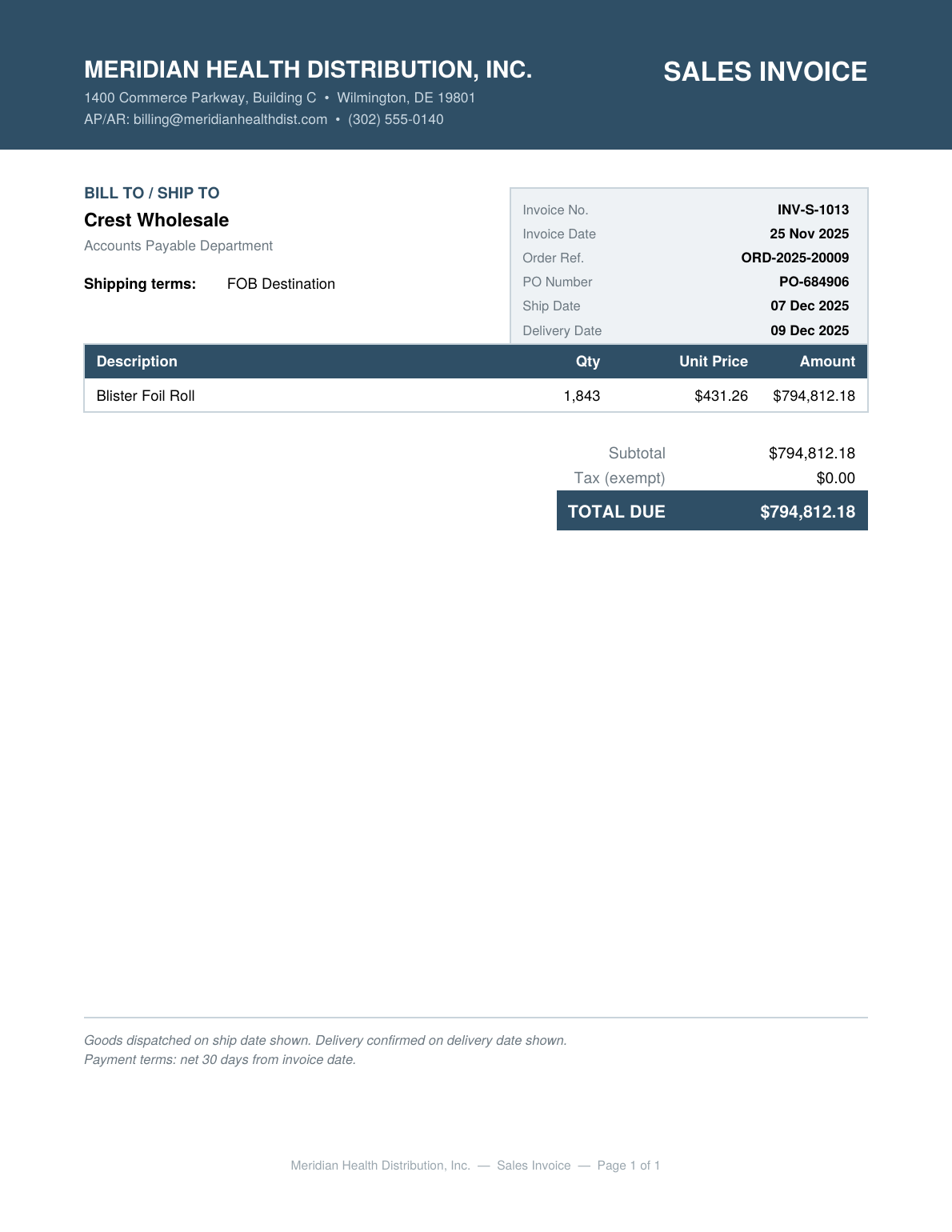
INV-S-1013.png

expert_contributedAuthor-generated; mirrors a vendor/sales invoice document image.
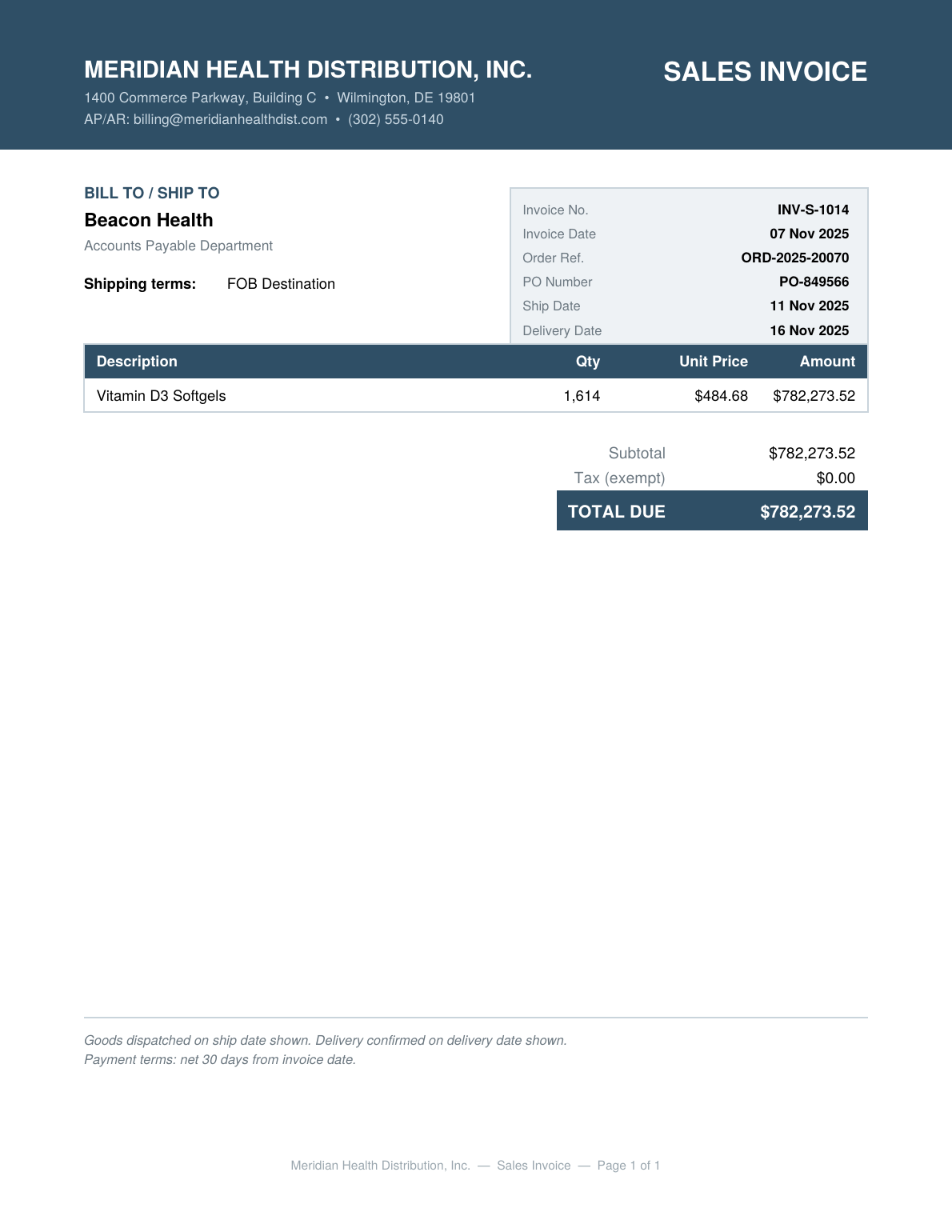
INV-S-1014.png

expert_contributedAuthor-generated; mirrors a vendor/sales invoice document image.
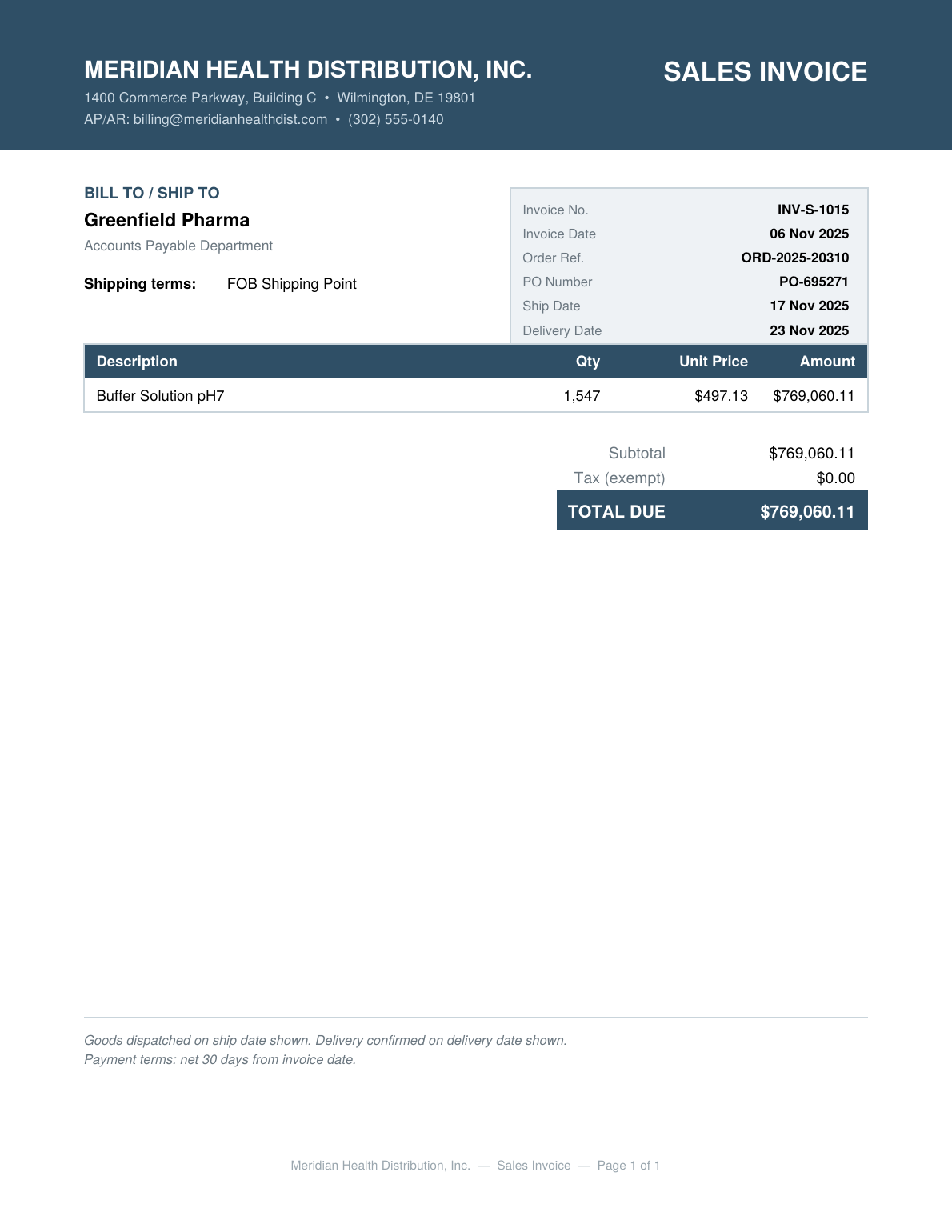
INV-S-1015.png

expert_contributedAuthor-generated; mirrors a vendor/sales invoice document image.
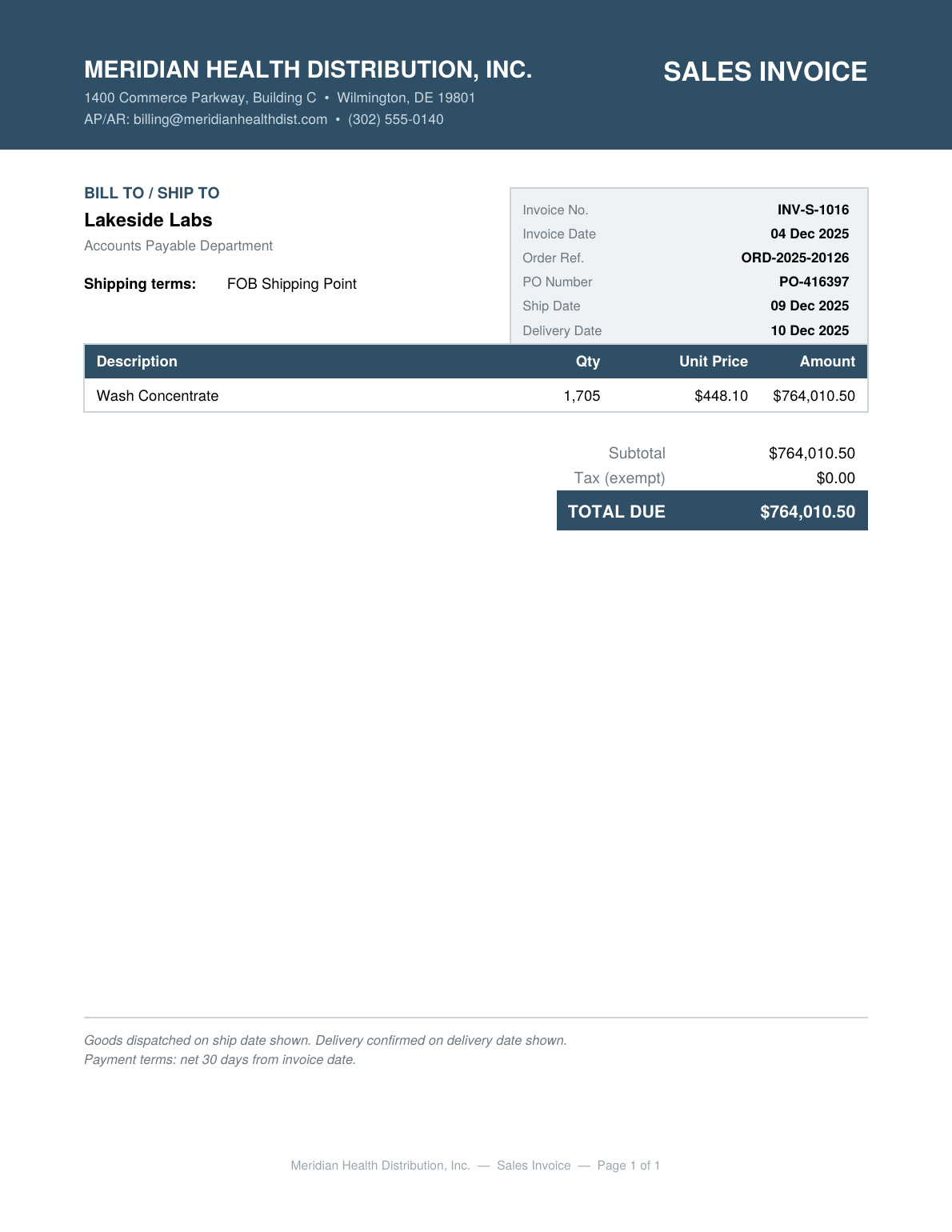
INV-S-1016.png

expert_contributedAuthor-generated; mirrors a vendor/sales invoice document image.
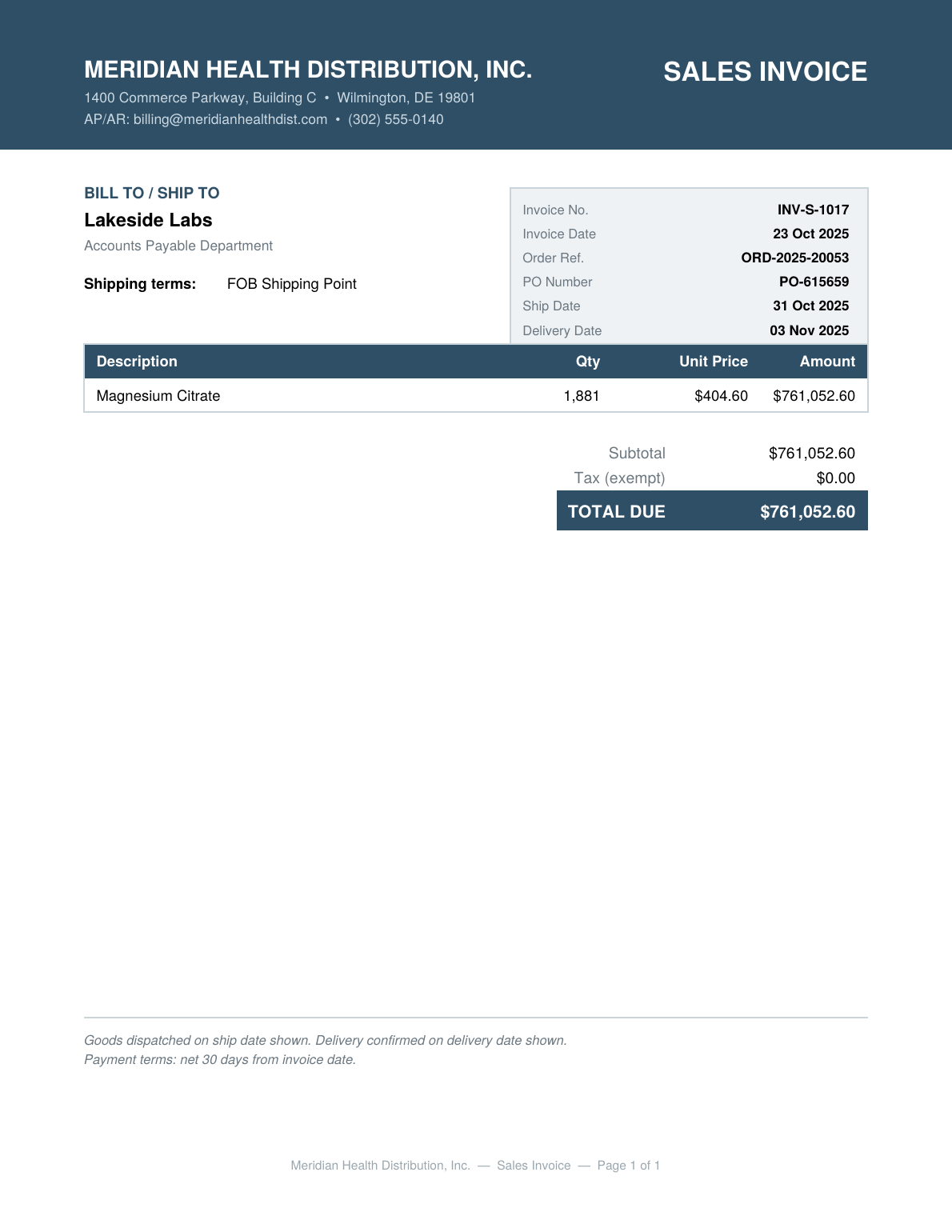
INV-S-1017.png

expert_contributedAuthor-generated; mirrors a vendor/sales invoice document image.
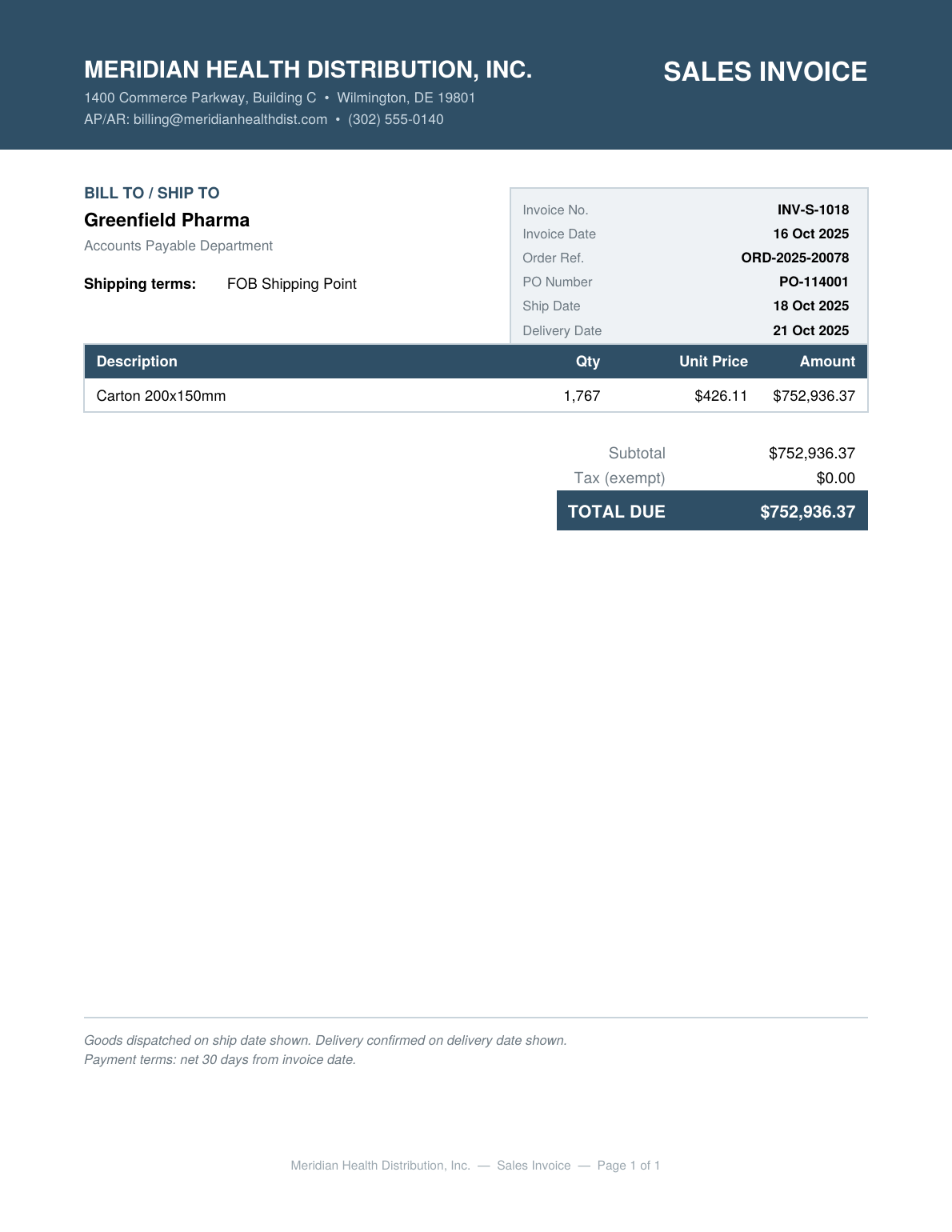
INV-S-1018.png

expert_contributedAuthor-generated; mirrors a vendor/sales invoice document image.
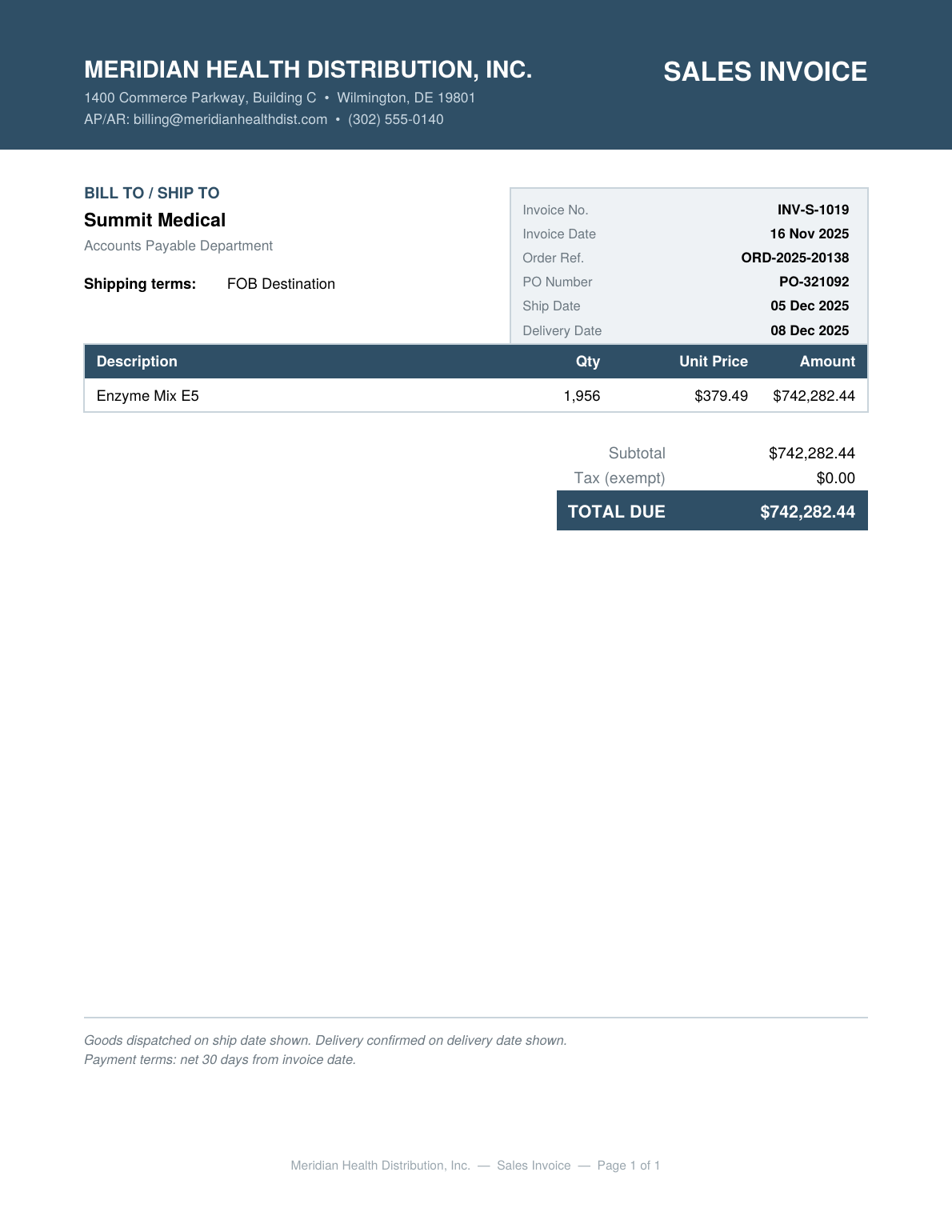
INV-S-1019.png

expert_contributedAuthor-generated; mirrors a vendor/sales invoice document image.

Inventory_Master.xlsx

expert_contributedAuthor-generated; mirrors a standard ERP inventory-master extract (lot, qty, cost, expiry, status).

Inventory_Operations_Manual.docx

expert_contributedAuthor-generated; mirrors a company inventory operations manual / SOP.

Order_Log.xlsx

expert_contributedAuthor-generated; mirrors an order-log transactional extract.

Shipping Log.xlsx

expert_contributedAuthor-generated; mirrors a shipping-log transactional extract.

Vendor Access Log.xlsx

expert_contributedAuthor-generated; mirrors a vendor/system access-control entitlements export.

Gold Deliverables (2)

Download all (.zip)

Gold Trajectory

PHASE 1: Reference file survey, compilation and cleaning Purpose: Establish the full breadth of available data and prevent incomplete data compilation from contaminating revenue, inventory, or controls conclusions. Rationale: We complete compilation before any calculation because several key accounting conclusions depend on judgmental evidence that sits outside the main xl files shared, and missing that evidence would silently bias the numbers. Steps: 1.1 We open the full Meridian Health folder and inventory every file, separating transactional extracts, invoices, email evidence, the SOP operations manual, and access-control logs, so that no judgmental source is overlooked once we begin calculating. 1.2 We load Order_Log, Shipping Log, Inventory_Master, and Vendor Access Log into our working file, keeping the raw extracts untouched on their own tabs and doing all of our work on controlled working tabs. [output: Meridian_Q4_Workings.xlsx] 1.3 We remove the 4 exact-duplicate inventory-master rows and carry forward the resulting 600 unique lots as our gross warehouse population. [rubric 1.1] 1.4 We screen the order and shipment data for orphan shipments, fully unshipped Q4 orders, multi-line shipments, and over-shipments before recognizing any revenue, so these exceptions are handled deliberately rather than by accident. 1.5 We read all 13 email images and the Inventory Operations Manual in full, because the cut-off overrides, valuation evidence, and reserve policy we will rely on later are only found there. [rubric 1.7] PHASE 2: Revenue recognition and cut-off Purpose: Calculate Q4 2025 recognized revenue and revenue deferred to Q1 2026 using shipment-line evidence and shipping-term cut-off rules. Rationale: We recognize revenue on transfer of control, not on invoice date or order value. We work at shipment-line level because a single order can have multiple shipments with different delivery dates and therefore different recognition outcomes, and we let specific contrary evidence override general conventions. Steps: 2.1 We join the order and shipment logs at shipment-line level rather than at order-header level, since recognizing a whole order at once would misstate orders that ship in parts across the cut-off. 2.2 We compute line revenue as quantity shipped times unit price, never order value, and we recognize FOB Shipping Point lines at the ship date because control passes to the customer at shipment. 2.3 We recognize FOB Destination lines only at the delivery date, because under those terms control does not pass until the goods are delivered. 2.4 Where a delivery date is not stated, we impute it using the company's 30-day delivery-window convention; this lets us recognize the October invoice-only FOB Destination items within Q4, but we treat the Dec-30 logistics email as more specific evidence that overrides the convention for Dec-29 shipments. [rubric 2.10] 2.5 We act on the Dec-30 logistics breakdown email by moving the Dec-29 FOB Destination deliveries into January, including SHP-70069, which we defer to Q1 even though the system shows a 31-Dec delivery. [rubric 2.6, 2.7] 2.6 We split ORD-2025-20142 by shipment rather than treating it as wholly recognized or wholly deferred: the shipment delivered before year-end is Q4 (1,329 units = $246,130.80) and the Jan-1 shipment is deferred (506 units = $93,711.20). [rubric 2.3, 2.4] 2.7 We do not drop transactions that have invoice or shipment support but no order-log value; instead we capture them in a separate invoice-only exception layer, recognizing the four supported sales INV-S-1001 to INV-S-1004 as Q4 revenue ($542,283.74) and excluding the unsupported orphan shipment ORD-2025-20503. [rubric 2.8, 1.2] 2.8 We foot our final Q4 recognized revenue to $120,047,883.16 and revenue deferred to Q1 2026 to $4,492,129.21, confirming each total agrees with the sum of its tagged lines. [rubric 2.11-2.14] [output: Meridian_Q4_Workings.xlsx] PHASE 3: Inventory valuation and cut-off Purpose: Determine Meridian-owned inventory at Dec. 31, 2025 and apply lower-of-cost/NRV, expiry, recall, and ownership adjustments. Rationale: We let ownership, not physical location, govern what is included, so we keep revenue cut-off and inventory ownership aligned (a Dec-29 FOB Destination unit deferred for revenue is still our inventory at year-end). We are careful not to over-correct lot overlaps, and we do not lean on a single post-merger extract that we know is incomplete. Steps: 3.1 We start from the post-deduplication inventory-master gross warehouse value of $313,494,104.52. [rubric 3.1] 3.2 We match inventory against the order and shipment logs and remove only the 3 full-lot sold-but-unrelieved errors where control has passed (LOT-10076/10365/10450 = -$767,576.31); we deliberately leave partially shipped lots in place, because their remaining quantity is still valid inventory. [rubric 3.17] 3.3 We add back the 12 in-transit FOB Destination lines at cost (+$2,432,598.30) and SHP-70069 (+$28,797.00, overriding its 31-Dec date) where they are not already in the master, because goods whose revenue we deferred under FOB Destination remain our inventory at year-end. [rubric 3.13, 3.14] 3.4 Where a lot has no printed expiry, we impute one from manufacture date plus the category shelf life given in the operations manual, and we treat packaging as non-expiring. [rubric 3.3, 3.12] 3.5 We apply the SOP reserve tiers (expired 100% / <=90d 50% / 91-180d 25%) for an expiry-reserve total of $13,783,218.29, taking care not to reserve again on lots we have already written down to nil. [rubric 3.4, 3.5] 3.6 We work through the recall, quarantine, and short-dated evidence: we write off the 3 recalled lots in full (-$677,448.18) and reserve the 2025 short-dated lots LOT-10277/10524 at 50% (-$458,944.53); we do not treat the stale 2023 alert (LOT-10139) as a current short-dated item, but we prudently reserve it 100% (-$881,540.88) and flag the judgment. [rubric 3.2, 3.6, 3.7, 3.8] 3.7 We write inventory down to NRV only where NRV is below cost (LOT-10252 to $51.62, LOT-10322 to $131.81), and we leave LOT-10506 at cost because its NRV of $355.28 exceeds its cost of $310.57 and we never write inventory up. [rubric 3.9, 3.10, 3.11] 3.8 We add the 4 off-extract owned lots from Email 13 (third-party, consignment, and in-transit) at gross cost (+$1,500,600.00) and reserve LOT-13004 at 50% (-$48,400.00), so our position does not depend solely on the incomplete post-merger warehouse extract. [rubric 3.15, 3.16] 3.9 We assemble the inventory bridge (gross post-dedup, less shipped lots wrongly retained, plus FOB Destination goods still owned and off-master inventory, less expiry/SOP/recall/NRV write-downs) and foot it to net inventory of $299,953,175.23, tying to the workbook summary. [rubric 3.18, 3.19] [output: Meridian_Q4_Workings.xlsx] PHASE 4: Controls and segregation-of-duties review Purpose: Evaluate merger-related access-control weaknesses and identify priority control remediation items. Rationale: System consolidation tends to merge entitlements, so we look for conflicts even when they are spread across fragmented provisioning records, and we report a clean test result explicitly rather than leaving it unstated. Steps: 4.1 We load the vendor-access records and normalize them by employee and permission type, so each person's full set of entitlements is visible in one place. 4.2 We identify the 19 employees who can both initiate and approve payments. [rubric 4.2] 4.3 We identify the 2 employees who can both onboard a vendor and initiate payment. [rubric 4.3] 4.4 We trace fragmented provisioning records and find that they collectively give EMP-1042 all three rights across 3 separate records; in total, 20 of 58 distinct employees hold at least one segregation-of-duties conflict. [rubric 4.1, 4.4] 4.5 We run the ghost-employee / shared-bank-account test and state its clean negative result explicitly rather than omitting it. [rubric 4.5, 4.6] 4.6 We rank the conflicts into priority remediation recommendations for the partner deck. [output: Meridian_Q4_Partner_Deck.pptx] PHASE 5: Deliverable production and presentation Purpose: Produce the client-ready artifacts and present the audit conclusions in a partner-ready format. Rationale: We build both deliverables so a reviewer can trace every number, deriving headline figures from explicit reconciliation bridges and reconciling the deck exactly to the workbook. We write the deck as an audit conclusion ("we concluded," "key judgment," "audit consideration," "control gap"), not as a spreadsheet walkthrough. Steps: 5.1 We build the consolidated live-formula workbook with source mapping, the revenue workings and revenue bridge (order/shipment population less deferred FOB Destination shipments, plus valid invoice-only revenue, reflecting the Dec-29 override), deferred revenue, the inventory bridge, controls testing, and the traps avoided, so every headline number can be traced to its source. [output: Meridian_Q4_Workings.xlsx] 5.2 We build the deck with a cover, exactly five core slides, and an appendix, the core slides covering the headline numbers, revenue methodology, deferred cut-off judgments, the inventory bridge, and controls and traps. [output: Meridian_Q4_Partner_Deck.pptx] 5.3 We tie every figure on the deck back to the workbook summary and bridges, so the two artifacts cannot disagree. 5.4 We summarize the reconciliations we made and the traps we avoided across revenue, inventory, and controls in both artifacts. 5.5 We run a final check that the workbook recalculates with no formula errors and that all three headline numbers foot correctly before release.

Scoring Rubric

Scoring type: binary_met_not_metTotal points: 100
Subtask 1: Reference file survey, compilation and cleaning
weight 10
IDCriterionCategoryPts
1.14 exact-duplicate lots removed; 600 unique lots usedCalculation1.5
1.2Orphan shipment (ORD-2025-20503) excluded from revenueCalculation1.5
1.3The 6 fully-unshipped Q4 orders carry no revenueCalculation1.5
1.4Revenue computed on quantity shipped x unit price (not order value)Calculation2
1.5Multi-line shipments reconcile to ordered quantityCalculation1.5
1.6No over-shipments recognisedCalculation1
1.7All 13 emails accounted for; none silently droppedArtefact completeness1
Subtask 2: Revenue recognition & cut-off
weight 27
IDCriterionCategoryPts
2.1FOB Shipping Point lines recognised at ship dateCalculation2
2.2FOB Destination lines recognised at delivery dateCalculation2
2.3ORD-2025-20142 Q4 portion = $246,130.80 (1,329 units)Calculation1
2.4ORD-2025-20142 deferred portion = $93,711.20 (506 units)Calculation1
2.529-Dec FOB Shipping Point lines retained in Q4Calculation2
2.629-Dec FOB Destination lines (delivered Jan) deferredCalculation2
2.7SHP-70069 deferred to Q1 despite recorded 31-Dec delivery (per 2025-12-30 breakdown email)Reasoning3
2.8The 4 invoice-only sales (INV-S-1001-1004) recognised in Q4, $542,283.74Calculation3
2.9'Net 30 days' treated as a payment term, not a recognition triggerReasoning1
2.1030-day delivery-window convention used to impute delivery where unstatedReasoning1
2.11Stated Q4 revenue foots to the sum of Q4-tagged lines (consistency)Artefact consistency1
2.12Stated deferred total foots to the sum of deferred-tagged lines (consistency)Artefact consistency1
2.13FINAL Q4 2025 revenue = $120,047,883.16 (headline deliverable)Calculation4
2.14FINAL revenue deferred to Q1 2026 = $4,492,129.21 (headline deliverable)Calculation3
Subtask 3: Inventory valuation & cut-off
weight 33
IDCriterionCategoryPts
3.1Gross warehouse extract (post-dedup) = $313,494,104.52Calculation1
3.23 recalled lots written off 100% = $677,448.18Calculation2
3.3Blank-expiry lots imputed via manufacture date + category shelf life (method)Calculation1
3.4Reserve tiers applied: expired 100% / <=90d 50% / 91-180d 25%Calculation2
3.5Expiry-reserve total = $13,783,218.29Calculation1
3.62025 short-dated lots (LOT-10277/10524) reserved 50% = $458,944.53Calculation2
3.7Stale-2023 alert (LOT-10139, dated 2023-12-14) NOT treated as a current 50% short-dated itemReasoning2
3.8LOT-10139 prudently reserved 100% ($881,540.88) and flagged as judgmentalReasoning2
3.9LOT-10252 written down to NRV $51.62Calculation2
3.10LOT-10322 written down to NRV $131.81Calculation2
3.11LOT-10506 NOT written down (NRV $355.28 exceeds cost $310.57)Reasoning3
3.12Packaging treated as non-expiring (no shelf-life reserve)Reasoning1
3.1312 in-transit FOB Destination lines added back at cost = $2,432,598.30Calculation2
3.14SHP-70069 additionally added to in-transit (+$28,797.00), 31-Dec date overriddenReasoning1
3.15Email-13 four off-extract lots added at gross cost = $1,500,600.00Calculation1
3.16LOT-13004 (expires Feb 2026) 50% reserve applied (-$48,400.00)Calculation1
3.173 sold-but-unrelieved lots (LOT-10076/10365/10450) removed = -$767,576.31Calculation2
3.18Stated net inventory foots to the build-up of the components above (consistency)Artefact consistency1
3.19FINAL net inventory at 31 Dec 2025 = $299,953,175.23 (headline deliverable)Calculation4
Subtask 4: Controls / segregation-of-duties (SoD)
weight 15
IDCriterionCategoryPts
4.120 of 58 distinct employees have >=1 SoD conflictCalculation3
4.219 employees can both approve and initiate paymentsCalculation3
4.32 employees can onboard a vendor and initiate paymentCalculation3
4.4EMP-1042 holds all three rights, across 3 fragmented provisioning recordsCalculation3
4.5Ghost-employee / shared-bank-account test performedCalculation1
4.6That Ghost-employee / shared-bank-account test's result reported as clean (explicit negative)Reasoning2
Subtask 5: Deliverable production & presentation
weight 15
IDCriterionCategoryPts
5.1Workbook is live-formula-driven (SUMIF/VLOOKUP/IF/SUMPRODUCT), not hardcodedFormat & integrity3
5.2Workbook recalculates with zero formula errorsFormat & integrity2
5.3Figures tie across all workbook tabs (internal consistency)Artefact consistency2
5.4Deck contains 5 core slides + cover + appendixArtefact consistency1
5.5Each of the 3 headline numbers shows its consideration (qualitative basis)Artefact completeness2
5.6Each of the 3 headline numbers shows its calculation (how derived)Artefact completeness2
5.7Controls evaluation presented in the deck with priority remediationArtefact completeness2
5.8Traps/exceptions summary delivered enumerating avoided pitfallsArtefact completeness1